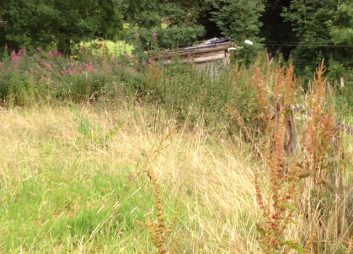
 The Anglo-Saxons called August ‘weod-monath’ (weed month) – the month when weeds (and other plants) grow fastest. The perfect excuse then, for all you gardeners out there to not quite be on top of your flowerbeds at the moment.
What is a weed? Officially it seems to be a wild plant growing somewhere unwanted – usually in competition with a cultivated plant. We’re also more likely to call an unattractive or poisonous wild plant a weed than the prettier or less harmful ones.
Many of the plants used as the source for homeopathic remedies are considered weeds; some are poisonous in their material form. But as with all homeopathic remedies, their healing properties once prepared homoeopathically can be hugely beneficial.
Many a fraught mother has been grateful for the action of Belladonna (deadly nightshade) or Chamomilla (chamomile) on a sick child. They’re two of the most frequently used children’s remedies.
Stramonium (thorn apple) and Hyoscyamus (hairy henbane) are deep-acting remedies often used in mental pathology.
Urtica Urens (stinging nettle) is probably the most well-known weed used in homeopathy. It’s great for calming certain skin rashes and stings.
Other weeds homeopaths use include Chelidonium (celandine), Cicuta (water hemlock), Conium (common hemlock), Drosera (common sundew) and Dulcamara (woody nightshade).
So, next time you’re feeling guilty about letting the weeds take over, remember their therapeutic qualities – the perfect excuse to explain their presence.
Happy gardening!
Lucy